Mankato: Un año de decisiones conscientes
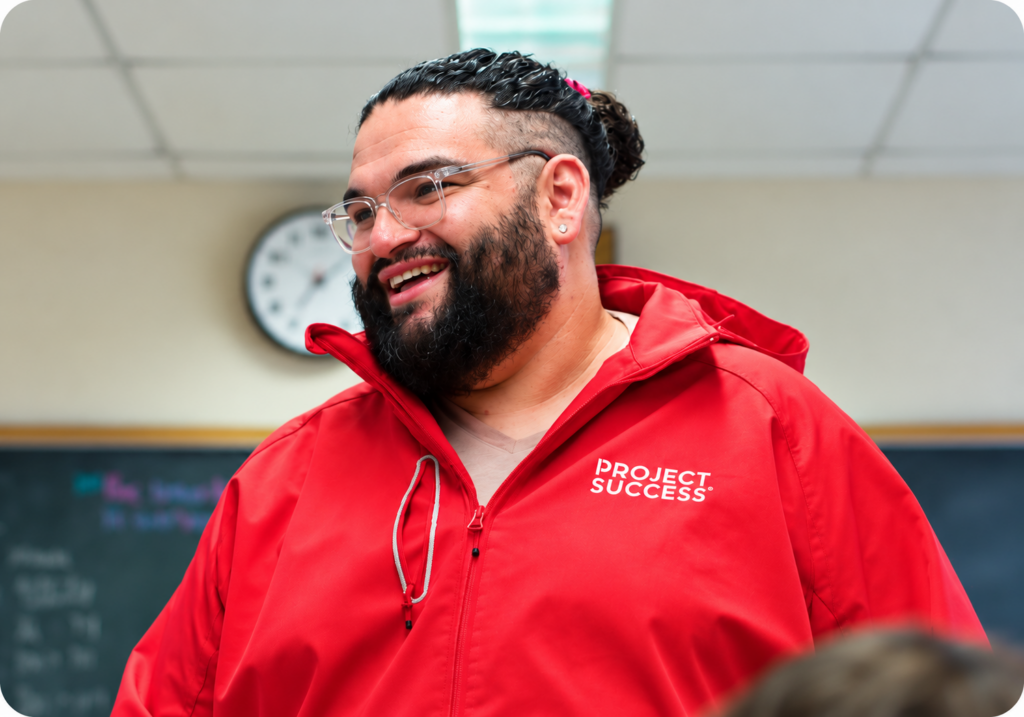
Last fall, Marc Bromaghim-Oropeza walked into a Mankato high school classroom where the teacher didn’t really know him yet.
The students did.
“Immediately a bunch of kids were like, ‘Hi, Marc,’ or, ‘Hi, Mark with a C,'” Marc remembers. “And then all of a sudden, teachers are like, ‘Why does everybody know you?'”
There was a simple reason: Marc had known many of those students since seventh grade.
Now, as the 2026-27 school year starts, they’re tenth graders.
And as Project Success begins its fourth school year in Mankato, we’re reaching a new milestone alongside them. For the first time, our workshops will extend into tenth grade, a year built around one central question:
¿Cómo tomo decisiones conscientes?
It’s a question for students.
It also happens to be a pretty good description of how we’ve gotten here.
It’s not just what. It’s how.
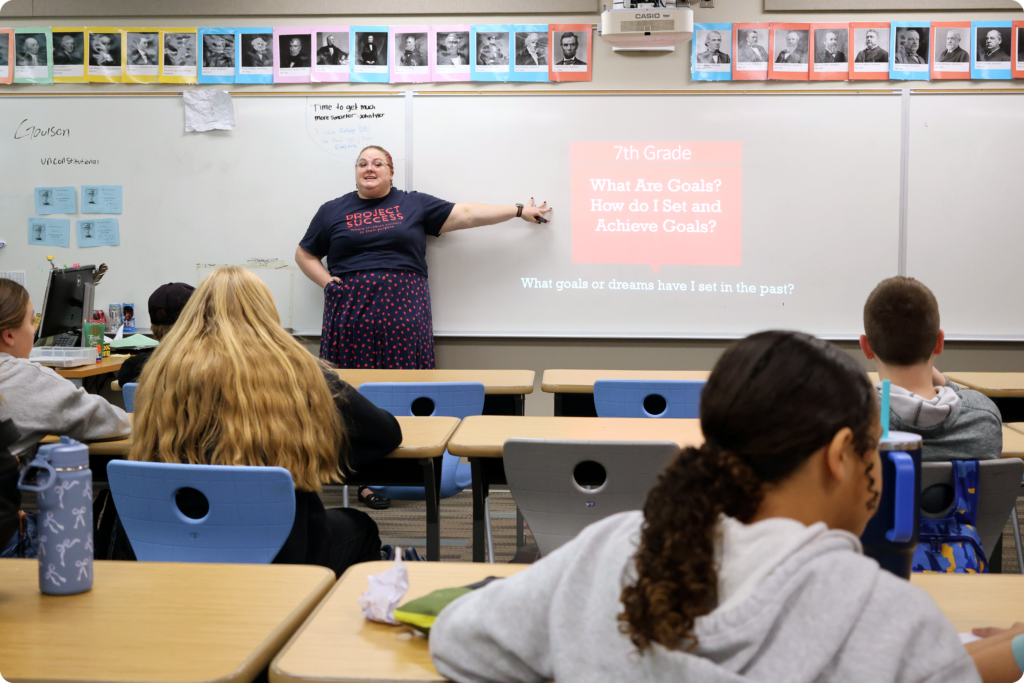
Project Success’s tenth-grade curriculum asks students to slow down and think about how they make choices. They’ll explore their priorities, consider different definitions of success, examine what they know and what they don’t, and begin exploring possible paths after high school.
For Marc, there’s a direct connection between what we’re asking students to practice and how Project Success has approached its growth in Mankato.
“I think sometimes we get swept up in the idea that conscious decision making is just about ‘the what,’” he said. “But conscious decision making is also about ‘the how.’”
Project Success didn’t arrive in Mankato and add every grade at once. We built relationships with administrators and teachers. We started in middle school. We followed students into high school. We learned, adjusted, and added opportunities as the relationships and curriculum grew.
“We’re not going into these schools and just going, ‘All right, we’re going to be in tenth grade this year. We’ll show up with a calendar, and we’ll go,'” Marc said. “We’re thinking about every step of it.”
This year, that includes expanding what happens beyond the classroom.
As tenth graders begin exploring post-secondary pathways in workshops, Project Success plans to offer college and career tours that let students experience some of those possibilities firsthand.
“It’s not just about going on a college tour for a college tour,” Marc said. “It’s going to a college tour to back up and expand on some of the topics we’re talking about in class.”
One choice builds on another.
Growing alongside students
The same is true of relationships.
The tenth graders Marc is working with this fall are different than when they were seventh graders in 2023. They’ve changed. Their questions have changed. What they’re ready to explore has changed.
But the years they’ve spent together matter.
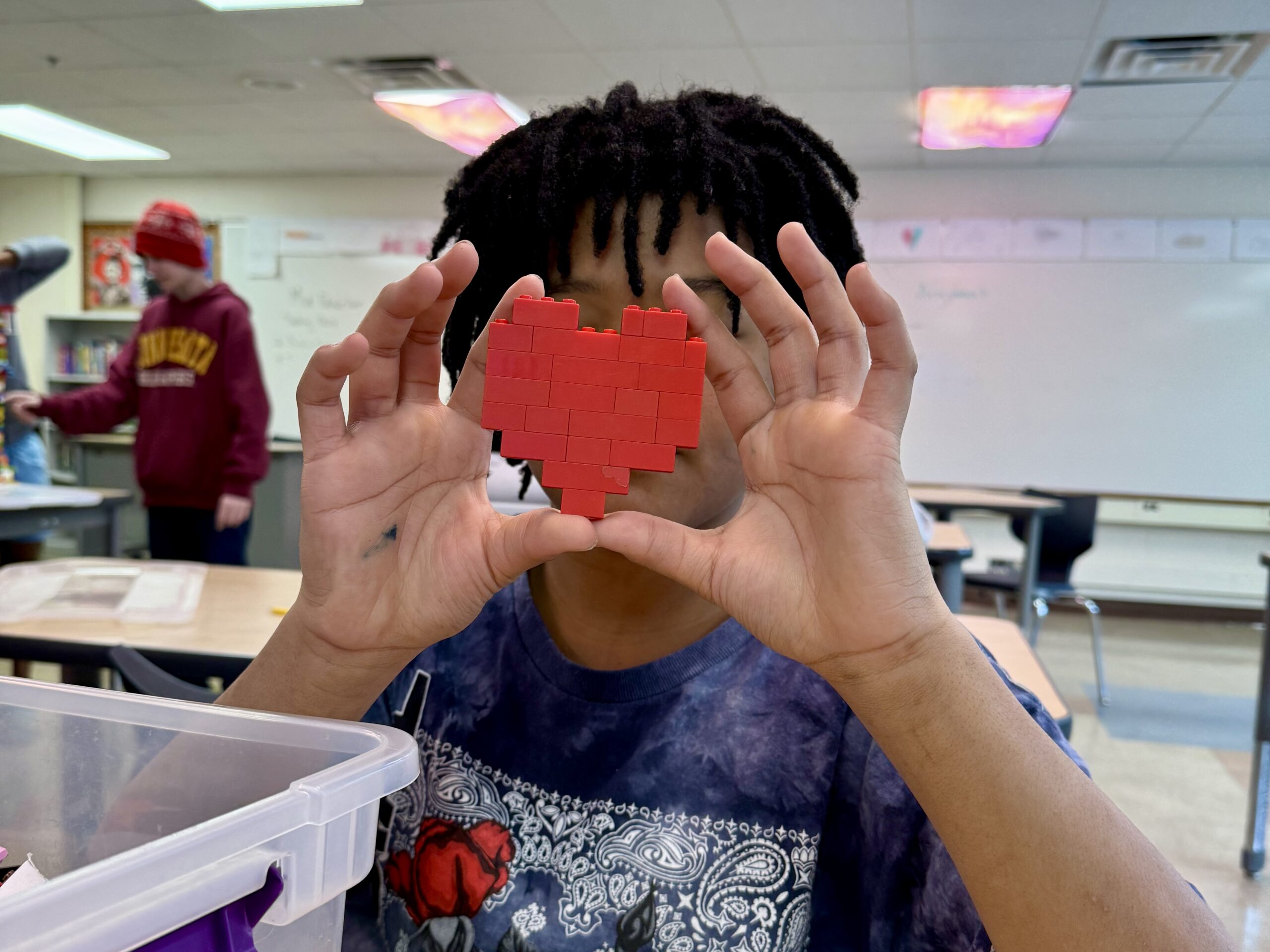
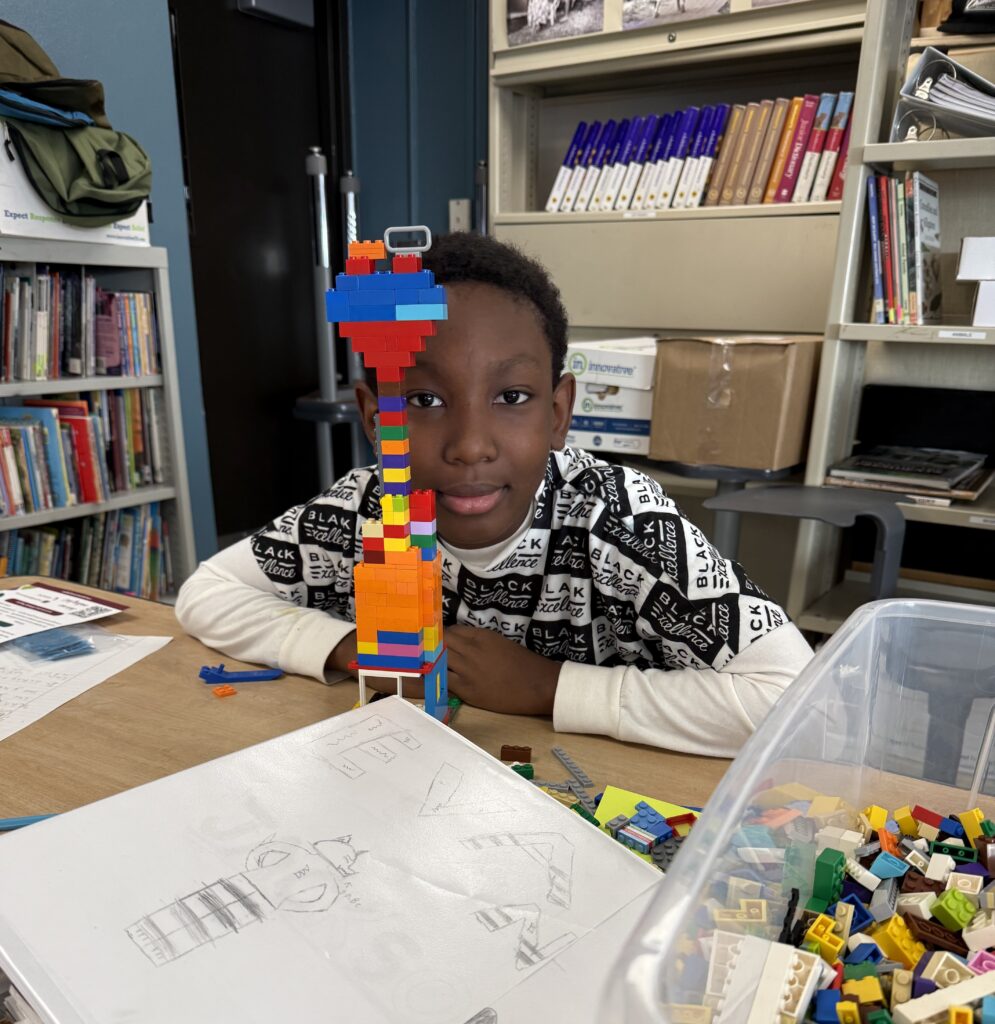
Marc saw that at the end of last school year during a Project Success workshop that’s become something of a classic: LEGO trophies.
Students use LEGO pieces to create trophies celebrating themselves and one another. Marc had every student participate, and every student took it seriously. Multiple teachers told him how struck they were by what they saw.
For Marc, the response wasn’t just about a workshop that worked.
It was about everything that had come before it.
“I think if these were brand new tenth graders, and I was asking them to do that, even if we had spent a whole year together, they might not have been as willing to be as serious,” he said.
Instead, it came at the end of their third year together.
“It wasn’t just an adult asking them to do this,” Marc said. It was someone they knew, and someone who knew them.
That’s what growing alongside students can make possible. Each year doesn’t begin again. It builds on what came before.
And now, as those students enter tenth grade, Marc is excited to see where that foundation can take them next.
Knowing what you don’t know
Of course, making a conscious decision doesn’t mean having every answer.
In fact, one of the tenth-grade curriculum objectives asks students to do something surprisingly difficult: identify the gaps in their own knowledge.
How do I know what I don’t know?
Marc sees that as an important question for Project Success, too.
Project Success brings more than three decades of experience to this work, and we’ve learned a lot about what helps students and relationships thrive. Growing consciously means trusting that experience while also paying attention to the community in front of us. Will a college or career tour on a non-school day work the same way it does in Minneapolis? How can what we’ve learned over the years help us make it work in Mankato? And what can we learn along the way that makes the next opportunity even stronger?
“We’re going to try it, and we’re going to learn from it, and we’re going to figure out the gaps in our knowledge,” Marc said.
Then we use what we learn to make the next choice.
That same thinking continues to shape how Project Success grows in Mankato, including a search for a new facilitator based in the area and a hiring process that will involve students from the schools that person will serve.
It’s not about having the whole path mapped out in advance. It’s about bringing together experience, priorities, new information, and context to make the best decision for what comes next.
The next step
Four years ago, we didn’t know exactly what Project Success in Mankato would look like today.
We couldn’t.
What we could do was listen, build relationships, draw on decades of experience, make a choice, see what happened, and use what we learned to make the next one.
Now, the seventh graders we met in at the beginning are tenth graders, ready to wrestle with some of those same ideas themselves.
What matters to me? What does success look like? What don’t I know yet? And how does all of that help me decide where I will go next?
There is something fitting about reaching this moment together.
Because this year, conscious decision making won’t only be something Project Success teaches in a Mankato classroom.
It’s something we’ll keep practicing right alongside our students.