What’s Possible This Year
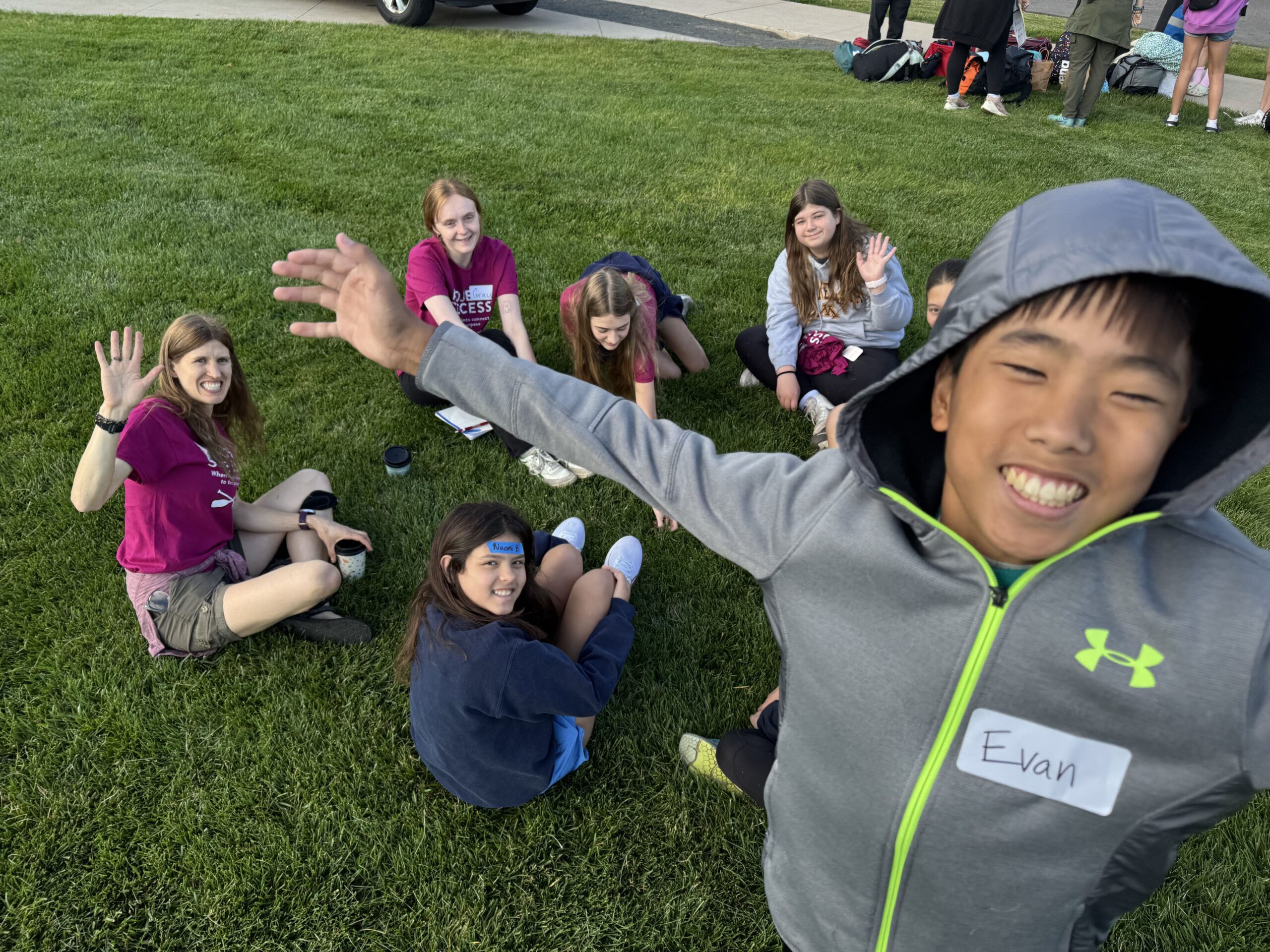
[Want to receive a dose of monthly inspiration direct to your inbox? Sign up for the Project Success newsletter and see what our students are exploring and dreaming about as they work toward their futures!]
“It’s a big, wide array of different opportunities.”
Laura Garcia, Senior Director of Programs, Minneapolis
That’s how Laura described Expedition programming while sharing what’s ahead for students this year. But she could have been talking about Project Success as a whole.
This year, students will canoe and test water quality, see live theater and make their own, cook alongside some of the Twin Cities’ most exciting chefs, explore college campuses, learn new technology, build career skills and spend time every month in workshops with a Project Success facilitator.
And connecting all of those experiences is the Project Success curriculum.
For more than three decades, our work has been rooted in a simple philosophy: Dream Big. Ignite Possibilities. Grow Exponentially. That progression lives throughout our curriculum, growing with students from middle school through high school and extending far beyond the classroom.
A conversation that begins in an in-class workshop can take on new meaning when a student steps onto a college campus, performs onstage, learns from a professional chef or tries something they never imagined themselves doing. Each experience gives students another place to explore their interests, make choices, build relationships, reflect on who they are and connect to their purpose.
That’s what makes the range of opportunities ahead so exciting. They are different by design, but they are all part of the same journey.
Some are familiar. Some are brand new. Others are evolving because students and teachers told us something, and we listened.
Here are a few ways that curriculum will come to life in 2026–27.
Workshops: Building from a strong foundation
There’s something exciting about starting a new school year without starting from scratch.
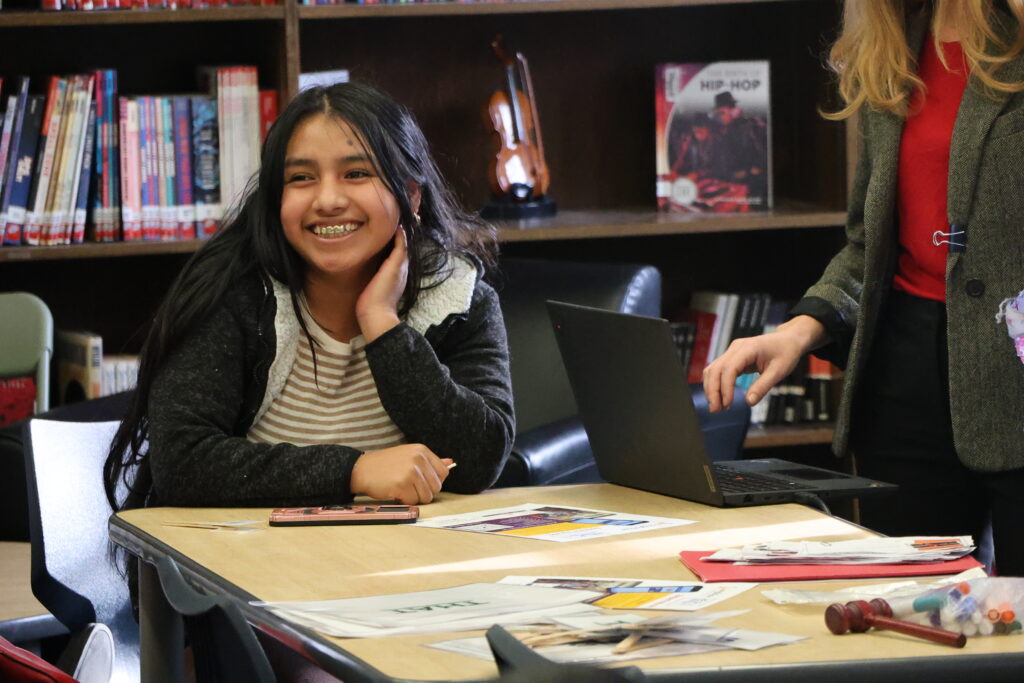
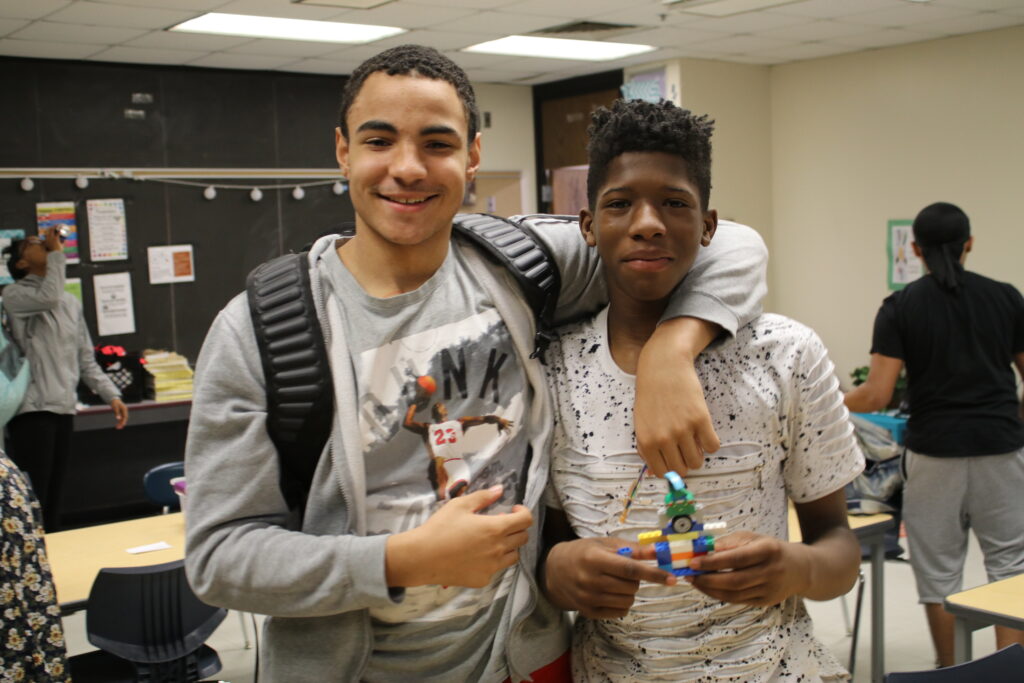
Our facilitators are heading back into classrooms ready to continue the relationships and conversations they’ve already begun with students. That continuity means they can pick up where they left off, notice what has changed, and keep building as students move through middle and high school.
As Micah Peterson-Brandt has seen over years of facilitating, those shared experiences add up.
“You have reference points. You have a shared history with this person.”
Micah Peterson-Brandt, Senior Program Manager, Schools & Workshops
This year also brings new opportunities for leadership within the team. Three facilitators are stepping into Senior Facilitator roles, while Curriculum Associates continue bringing their Workshop expertise into other areas of Project Success programming.
So while a new year means new workshops, new conversations, and plenty of new students, the team is building from relationships, experience and a curriculum designed to grow alongside students.
Arts: Finding the right way in
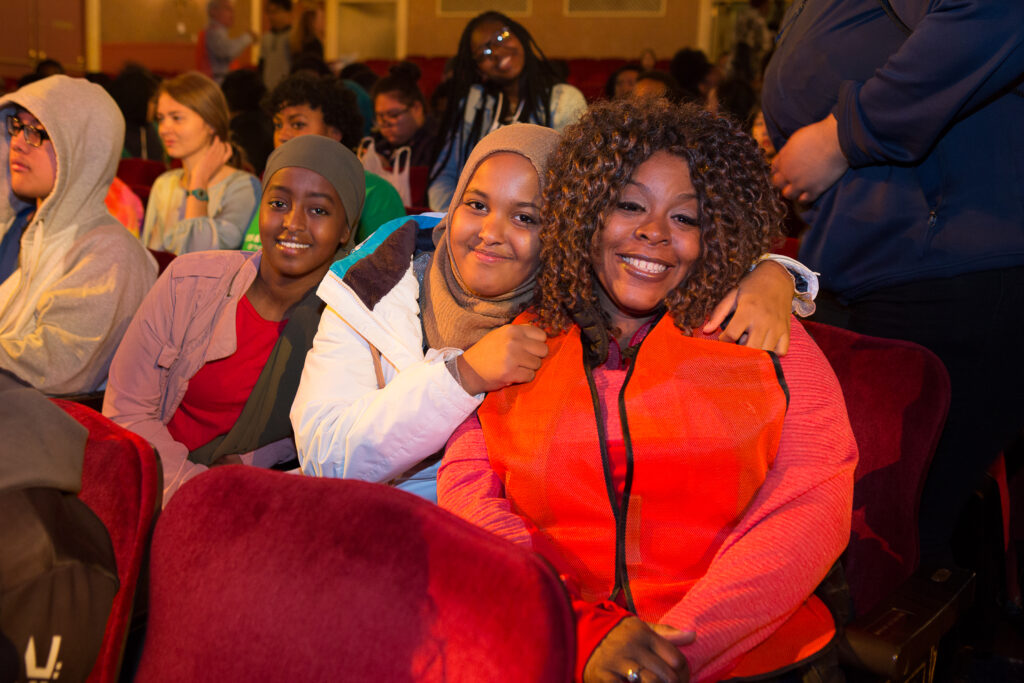
Arts starts the year with a pretty spectacular number: more than 6,000 tickets have already been donated for Project Success students and families for 2026–27 from our incredible partners, and the Arts team is still confirming more opportunities for the year ahead.
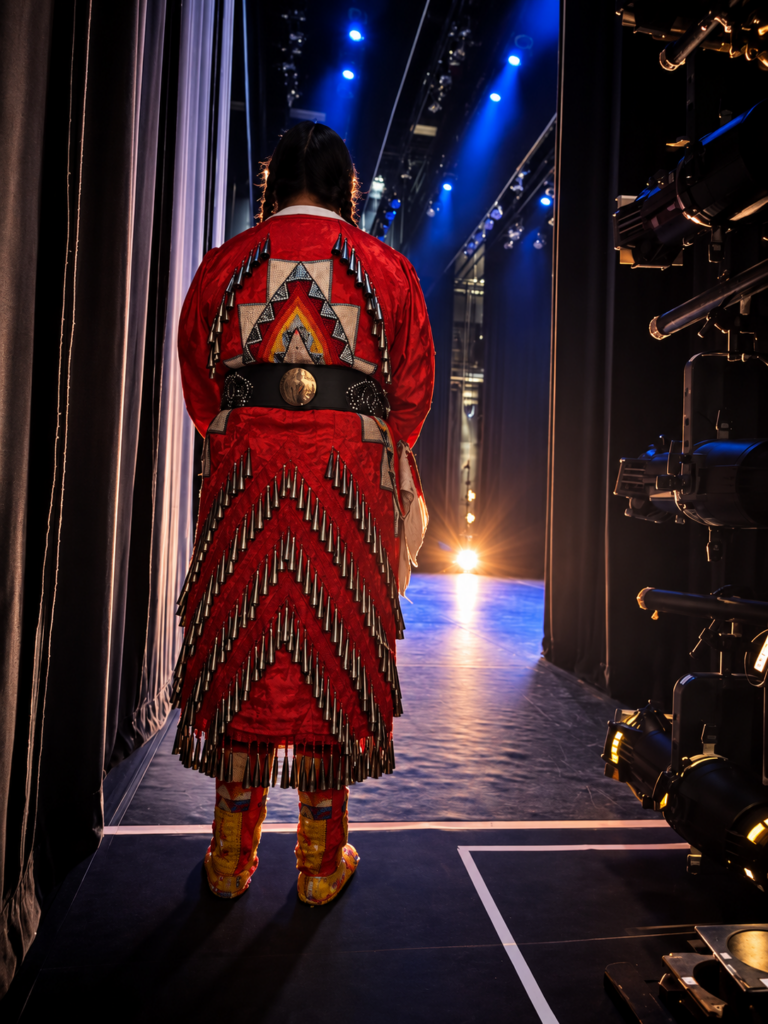
Those tickets connect students and families with theater, dance, opera, and other performances throughout the Twin Cities. But Arts programming is also creating more ways for students to encounter the arts in the first place.
Residencies are an important part of that access. Instead of always asking students to travel to an arts venue, Project Success can bring professional artists directly into schools, giving students a first encounter with an art form in a place they already know. This year, those experiences range from larger performances for groups of students to smaller classroom visits that give students more time directly with working artists.
As Linnea Fahnestock explained:
“For a lot of students, this is a space that they’ve never been to before. By bringing artists to the classroom, literally on their home turf and in their space, we can do more opportunities for students across all of our schools.”
Linnea Fahnestock, Senior Program Manager, Arts Experiences
From there, students can take another step. Field trips introduce them to arts spaces during the school day, while evening and weekend events invite students and families to experience performances together. Project Success helps remove some of the practical barriers along the way, including transportation and, at select performances, childcare. Linnea noted that the number of rides provided to families doubled last year, and families who use that service frequently return for other performances.
The kinds of art students can explore are growing too. A partnership with the Walker Art Center adds Teen Maker Breaks and a Middle School Movie Club, reaching students whose interests might lean more toward visual art, and film making.
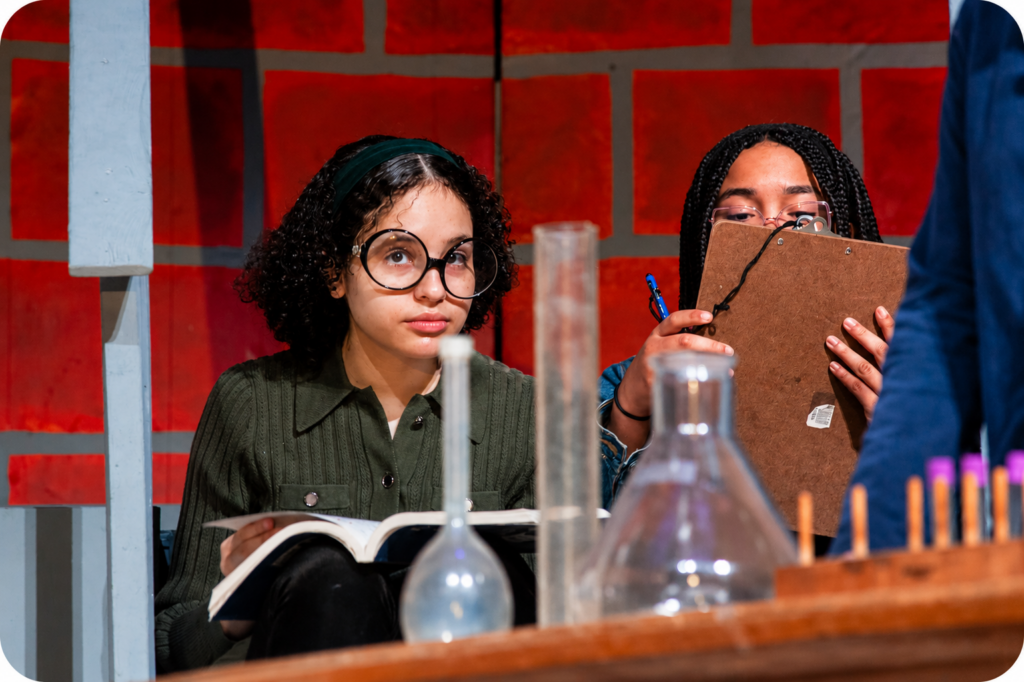
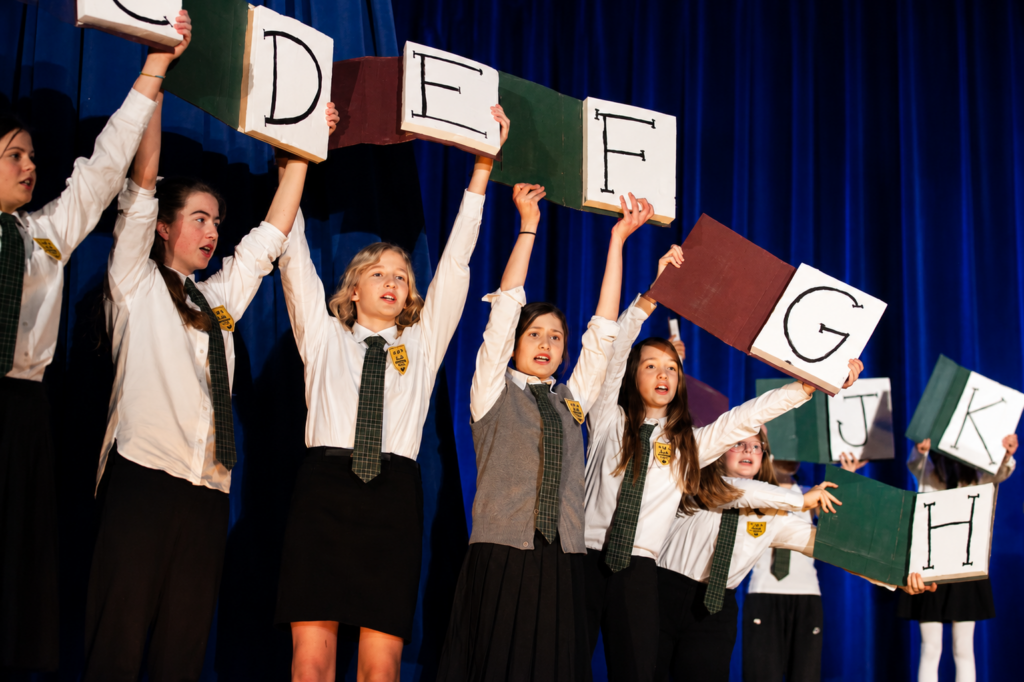
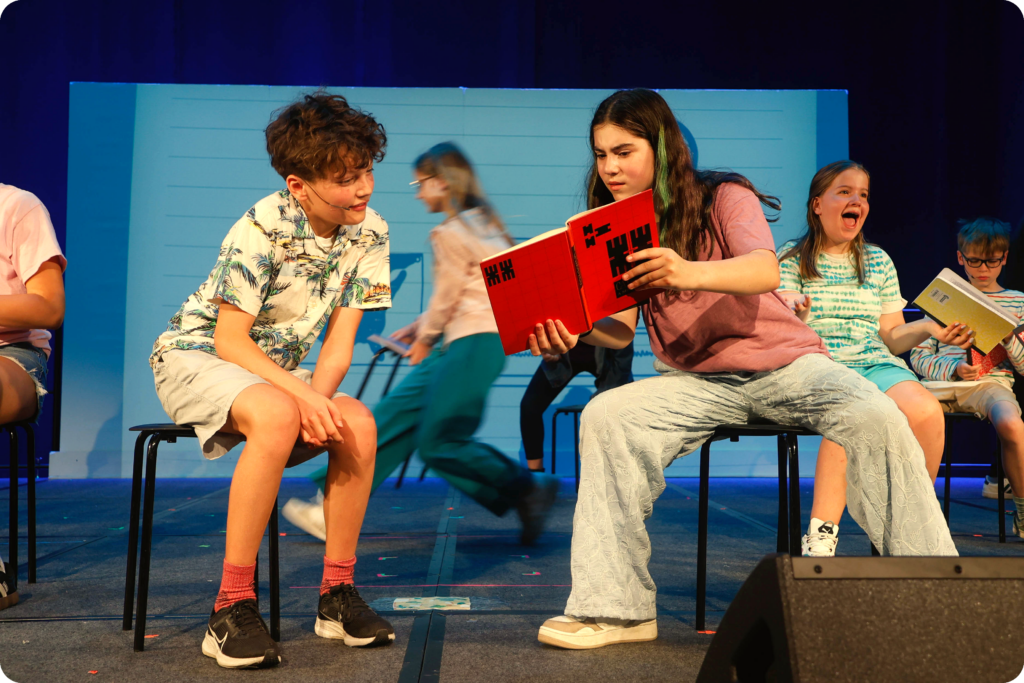
And then there are opportunities for students to make and perform art themselves. Students at Sanford helped choose Willy Wonka Jr., while Moana Jr. was a top choice at Northeast. Anderson students are weighing in too, with their musical choice set to be announced next week. Meanwhile, the team is developing a new musical showcase after hearing that Anwatin students wanted a musical experience back in their own building. The new model will have fewer rehearsal days, no auditions, and room for anyone who wants to participate.
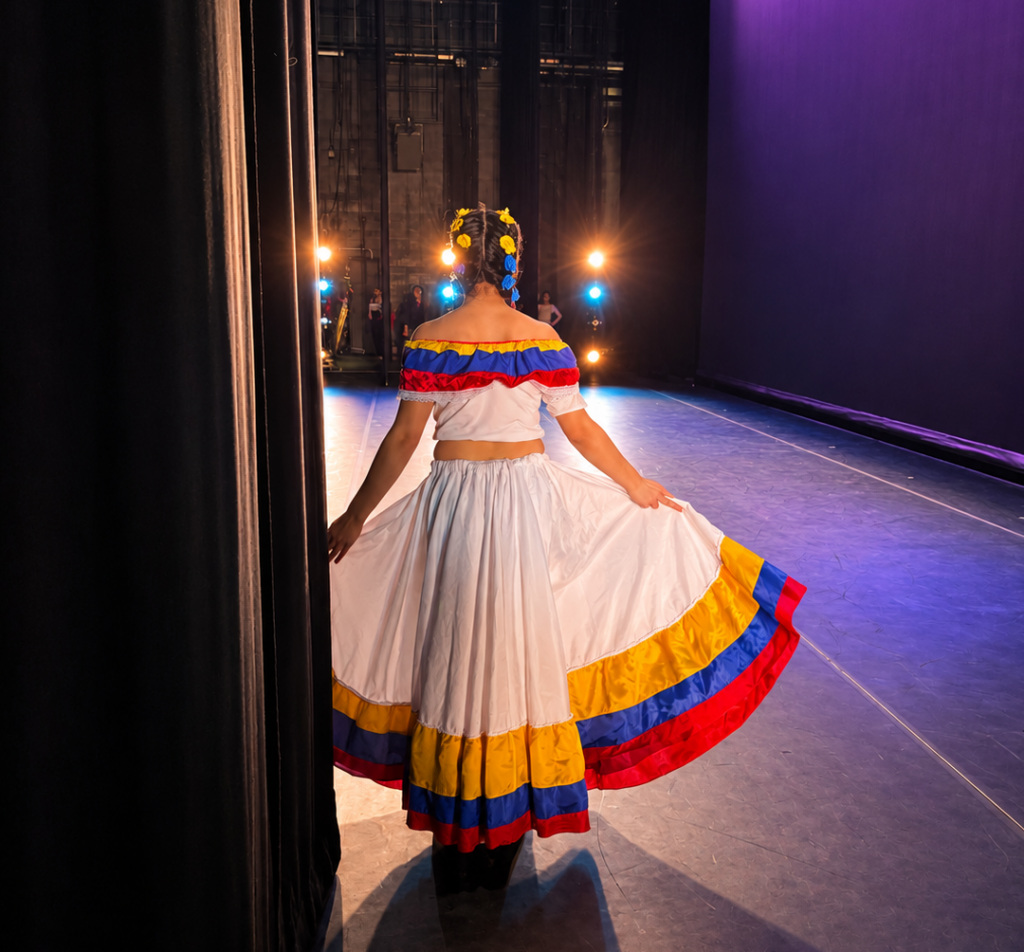
Across all of it, there isn’t one right way to experience the arts. An artist can come to a student’s classroom. A student can take a field trip into an arts space, experience a performance with their family, or step onto a stage themselves.
Expeditions: Getting out there
Expeditions takes those ideas into new places, with Outdoor Adventures, college and career tours and Global Experiences creating opportunities for students to experience something firsthand.
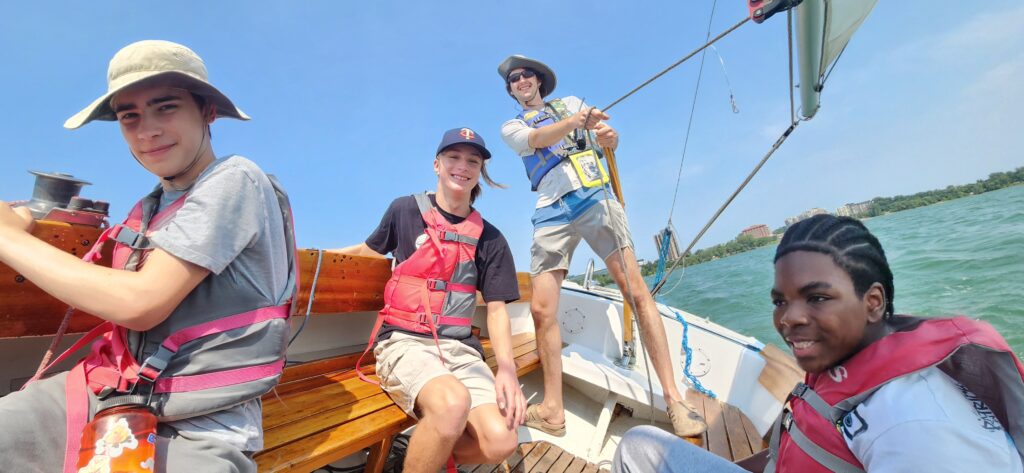
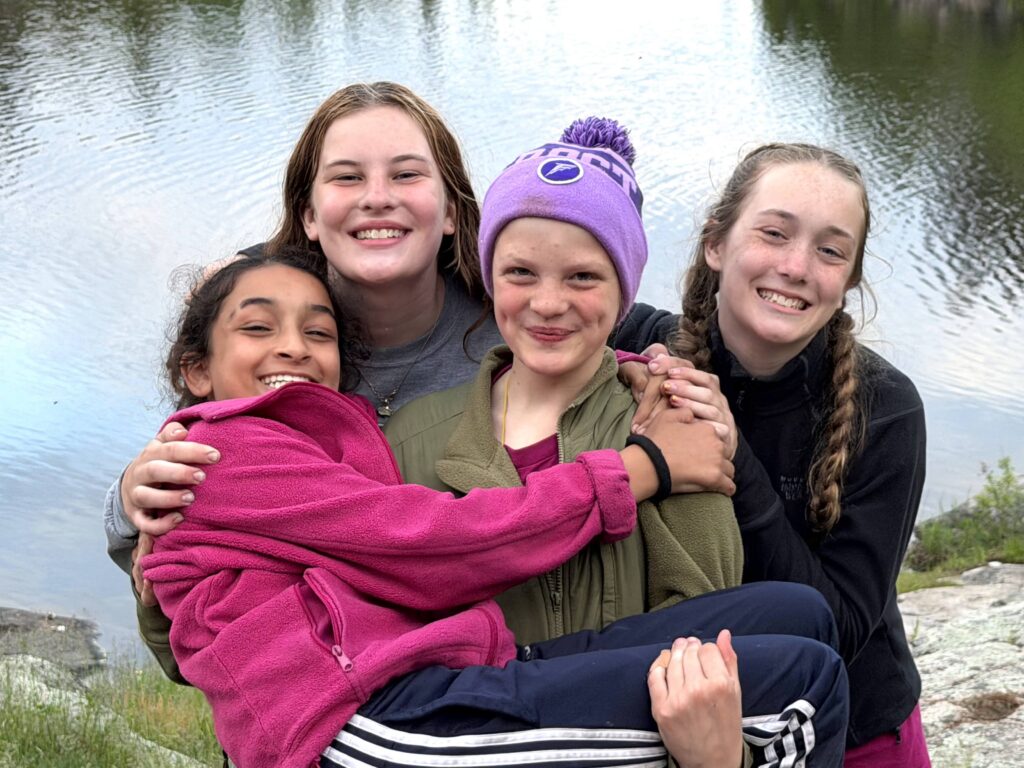
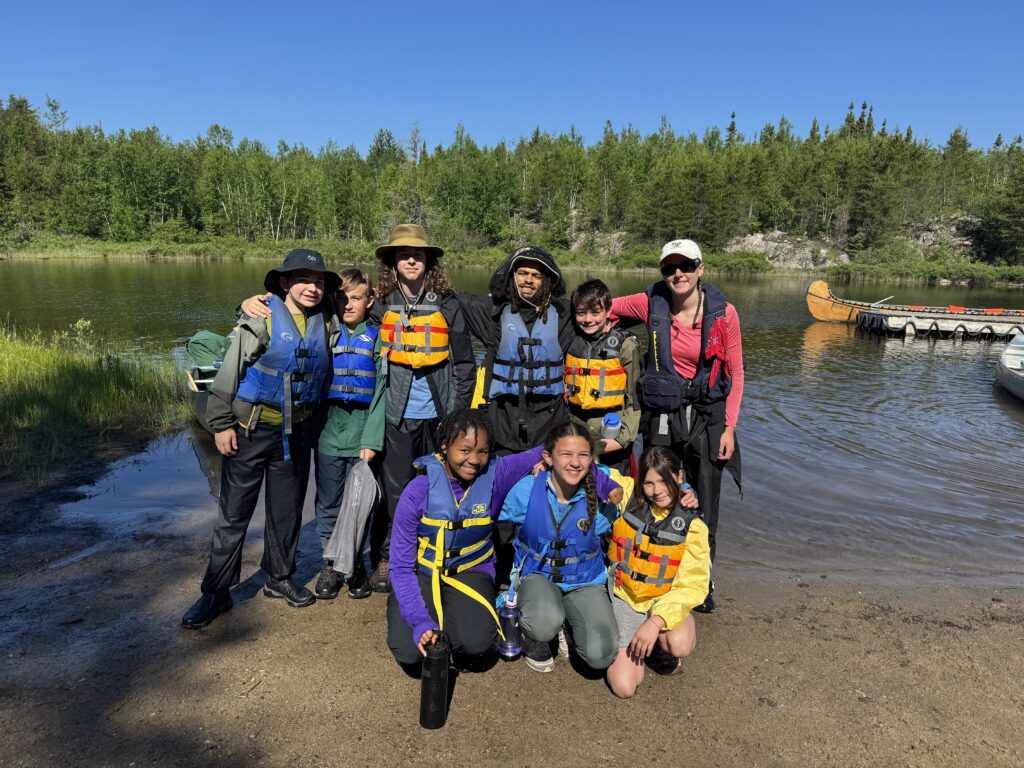
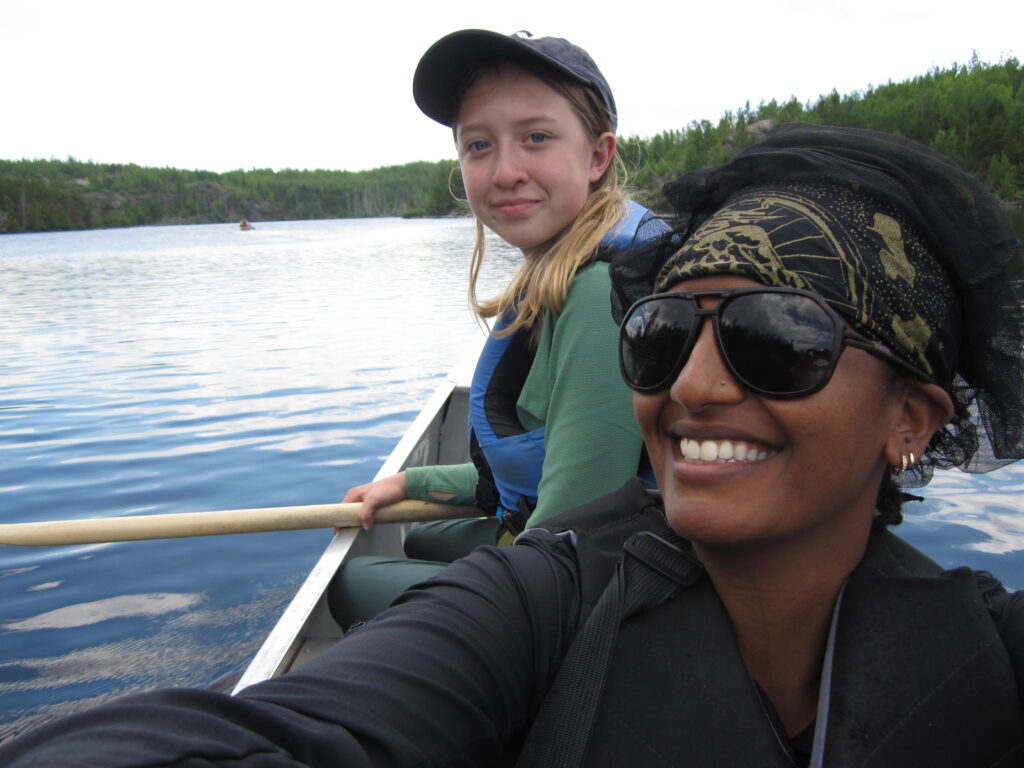
This fall, sixth graders from several Minneapolis schools will head outside for River Adventure Days on the Mississippi River and experiences with Friends of the Boundary Waters. Depending on the day, students might canoe, build shelters, test water quality, or learn about the environment around them.
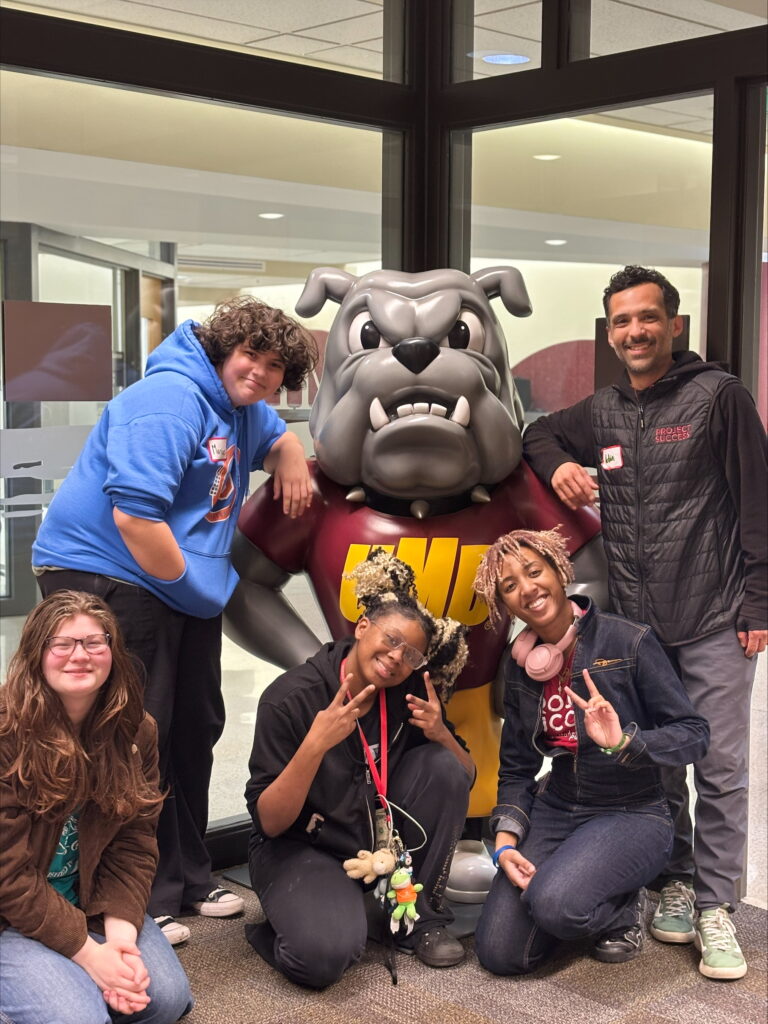
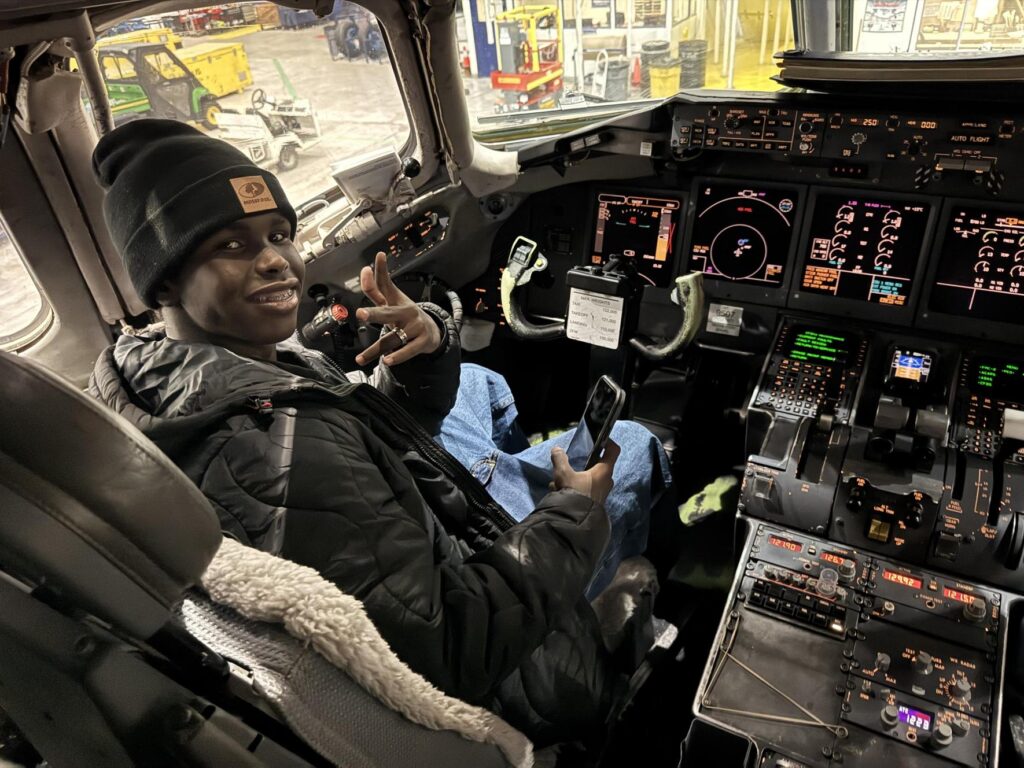
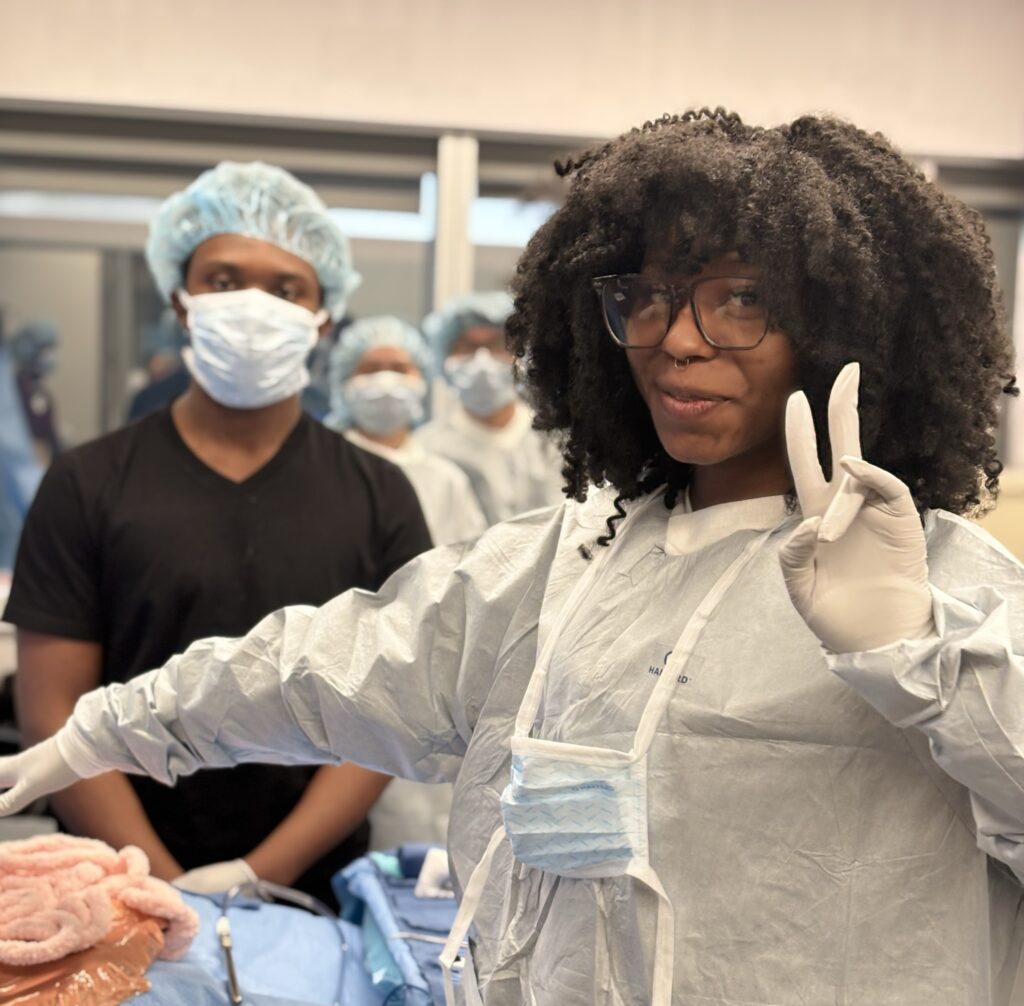
For older students, that exploration expands into colleges and careers. This year’s calendar includes visits throughout Minnesota and beyond, with college partners creating student panels, career-focused campus tours, and other experiences that go beyond simply walking around a campus.
“We have really great partnerships with all of these colleges, and they’re really creating some fantastic stuff for our students.”
Laura Garcia, Senior Director of Programs, Minneapolis
Global Experiences add another path, including the yearlong Kev tshawb fawb yog peb txhua tus series at the Science Museum of Minnesota, connecting students and families with STEM experiences and people working across different areas of science.
The destinations may look completely different from one another, but the purpose connects back to the same curriculum. Students can explore an interest, step into an unfamiliar environment, ask questions, and discover more about themselves and the world around them.
Institute: Start with an interest
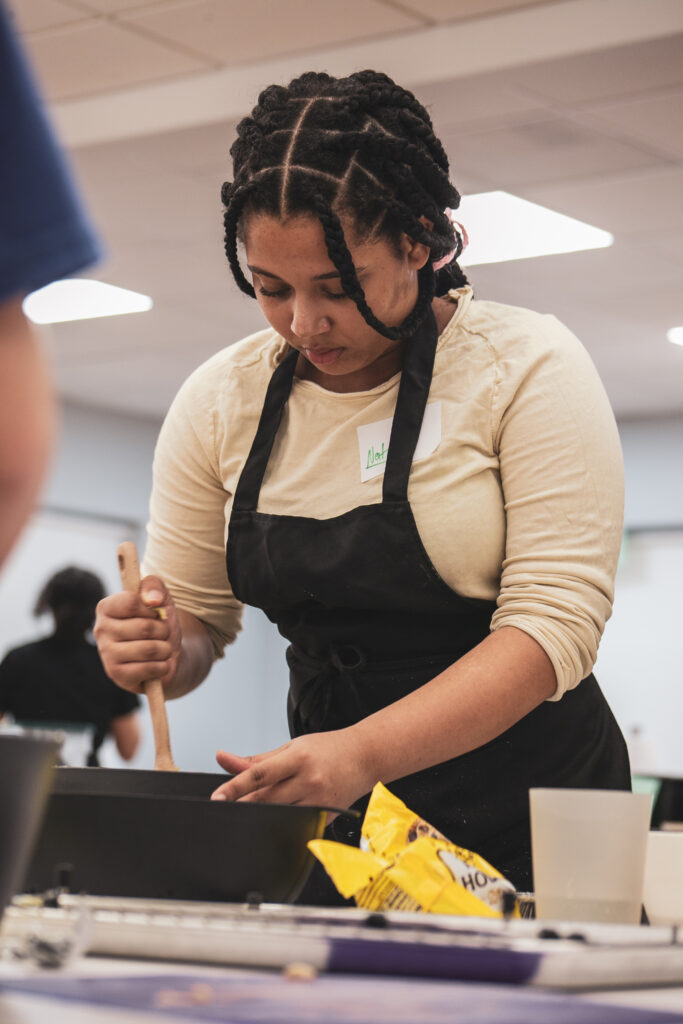
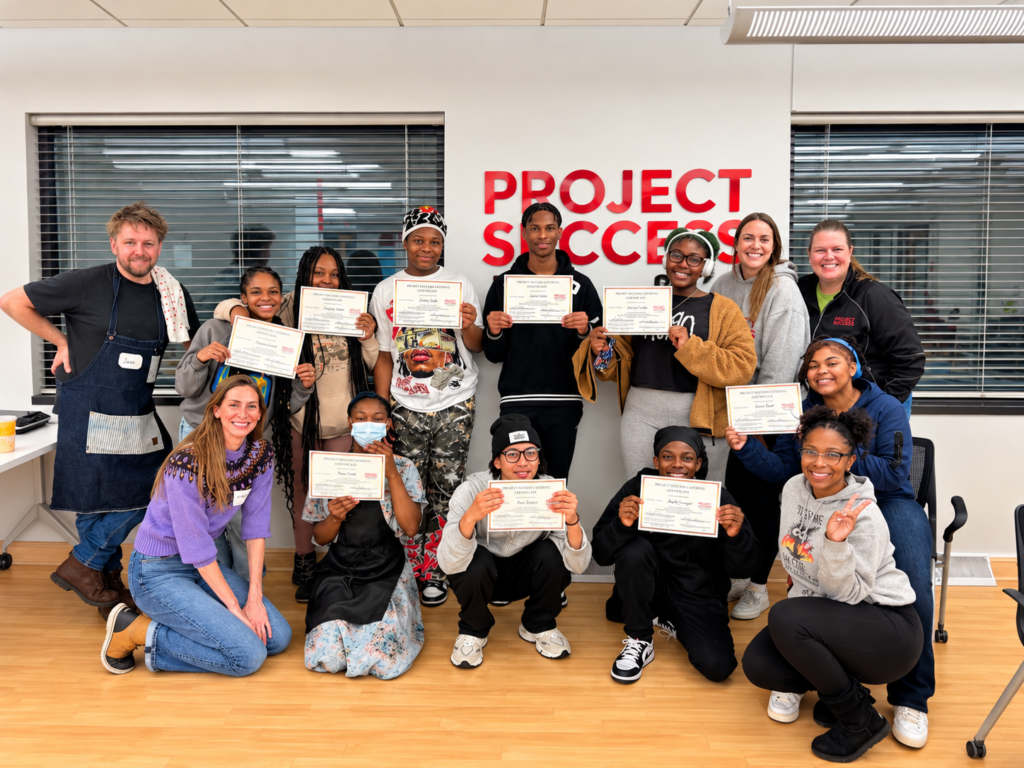
Institute kicks off the year with hands-on Certificate programs that let high school students spend several weeks digging into a skill or interest. This fall, students can choose from Bike Tech, Budget-Friendly Cooking, Baking and Culinary Adventures, all free to Minneapolis high school students, with safe transportation from their school and back to their homes provided by Project Success.
And in the kitchen, students will be learning alongside an incredible group of guest chefs and food professionals.
Returning favorites and new partners include Marla Jadoonanan of Marla’s Caribbean Cuisine; the team from Diane’s Place; Jaden Scott of Green Garden Bakery; Melanie Lewis of Perfect Piece Sweets Co.; Alexandra Motz, Executive Pastry Chef at Spoon and Stable and Soigné Hospitality; Chris MacLeod of Laune Bread; Chef Lachelle Cunningham; Chef Jojo of Tamu Grill & Catering; and Manuel “Manny” González of Manny’s Tortas, along with holistic nutritionist and pastry chef Natalie Sims and Roosevelt High School Culinary Arts educator Carlyn Shanley.
It’s a lineup that brings an incredible range of culinary backgrounds and perspectives into Project Success. Students learn directly from working professionals, then return for a lab week where they can experiment with the recipe, change it, and make what they’ve learned their own.
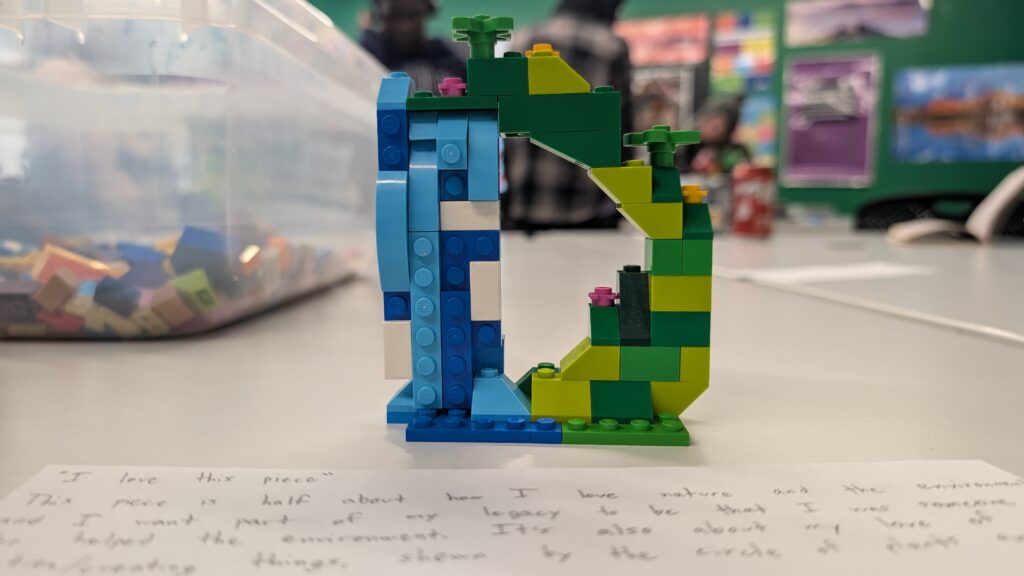
The Institute program team is also creating new and different entry points this year. One of them is Drawing Club, which gives students an intentionally low-pressure place to create and connect with other young people who share an interest in art. There’s no set lesson plan or final product they have to reach.
As James Rone explained:
“We found that the success rate for students is exponentially higher when they have the opportunity to form that connection with their peers before they go and do something in a group.”
James Rone, Senior Curriculum Manager
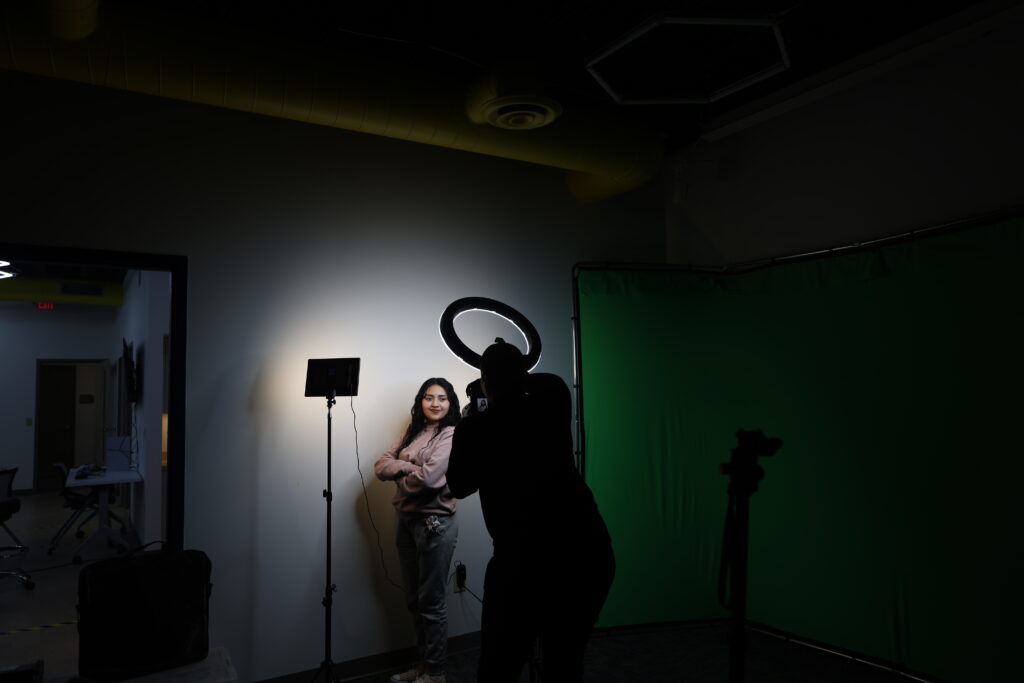
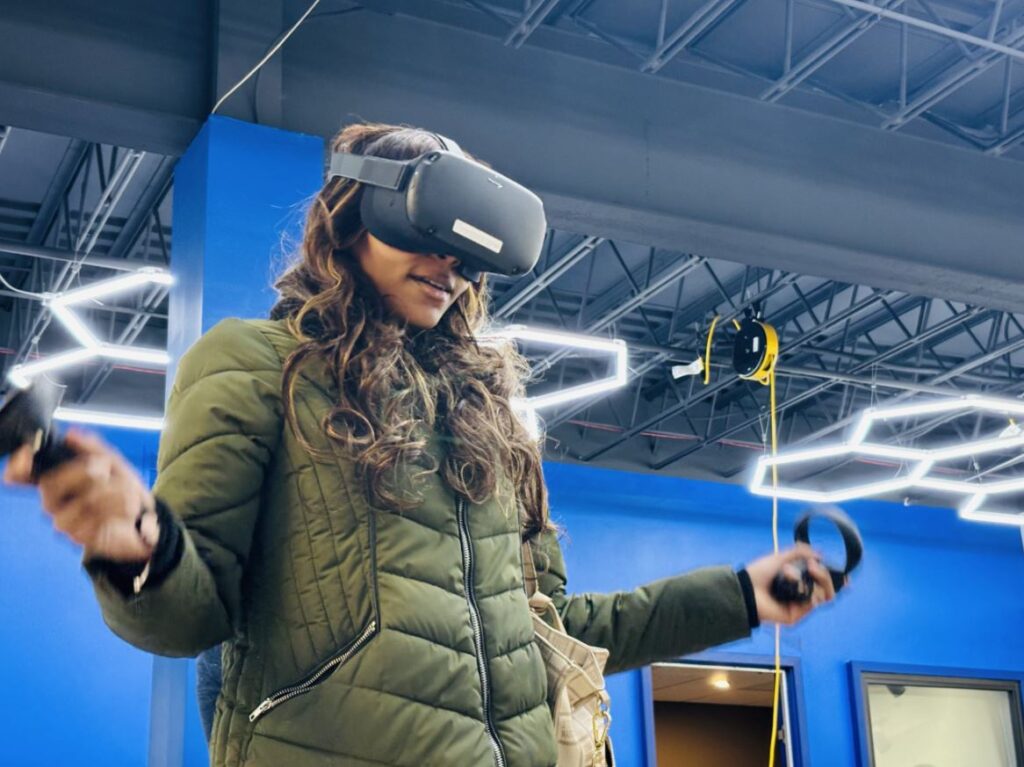
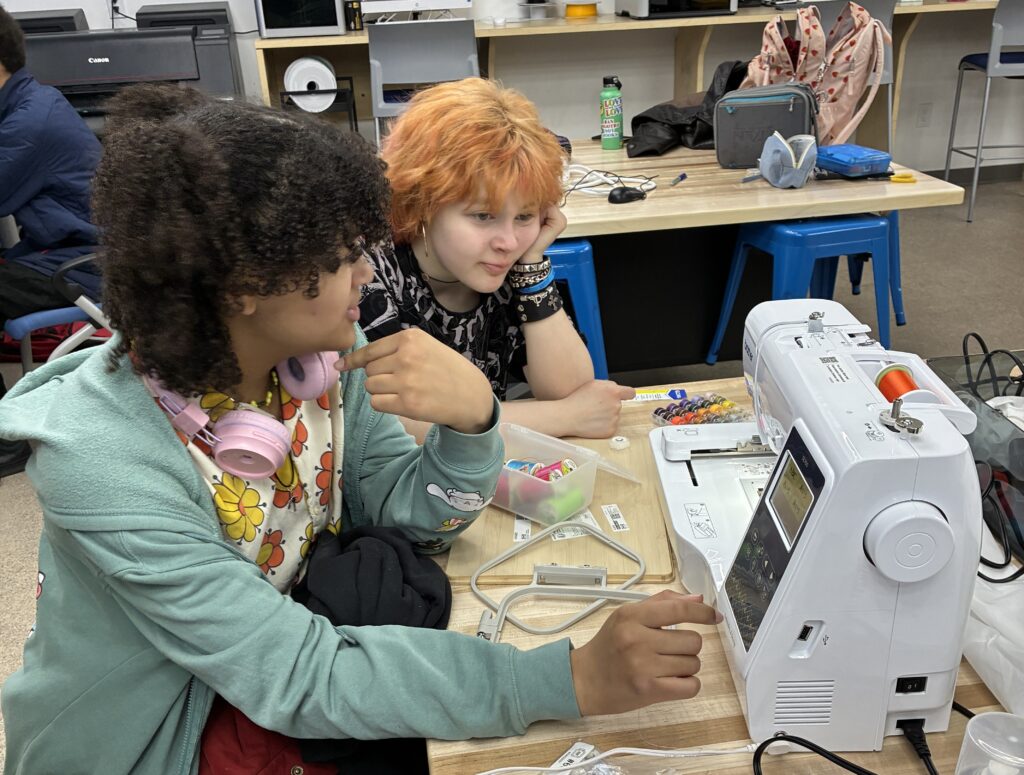
That interest-first approach continues at the Best Buy Teen Tech Center, where students can explore music, video, design, printing, gaming, and other creative technology. Rather than starting with a wall of equipment and asking students what they want to learn, the team is increasingly starting with the student and what they already want to make.
For students ready to go deeper, this year’s Multimedia Arts Career Pathway creates a yearlong experience in photography, filmmaking, and video editing alongside college and career readiness. Students who successfully complete the program become eligible to apply for paid summer internships with Best Buy or other businesses aligned with their individual interests and goals.
Different levels of commitment, different interests, and different ways to participate, but the same underlying idea: start somewhere that interests you and see where it can take you.
Mankato: Growing into year four
Project Success enters its fourth school year in Mankato this fall with another big step forward: in-class workshops are expanding into tenth grade, bringing the number of students served across the district to approximately 3,000.
And as Project Success grows in Mankato, the curriculum is growing with it. The team is drawing on what we’ve learned through decades of work in Minneapolis while continuing to adapt programming to the schools, partners, and community.
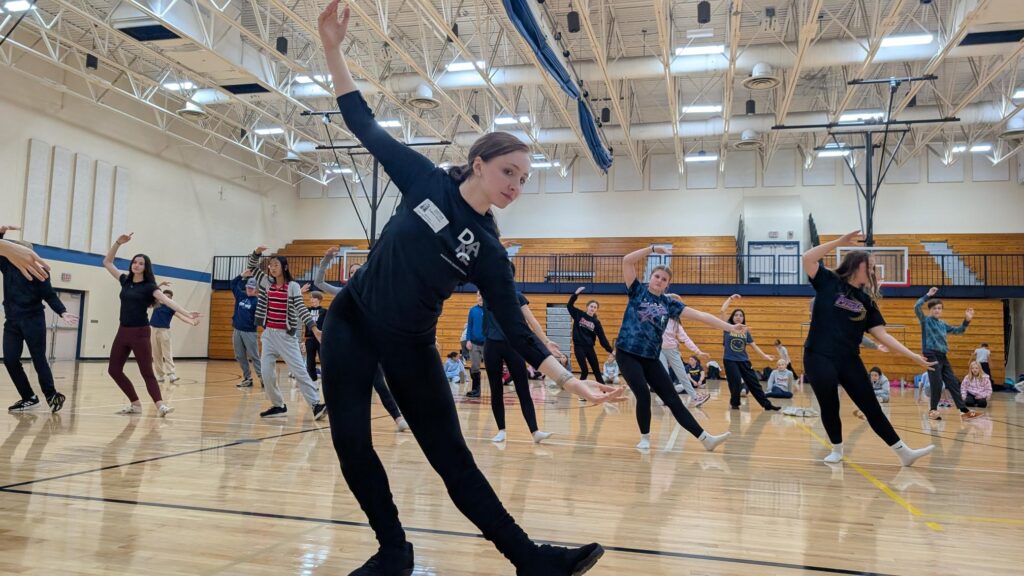
One of the biggest opportunities this fall will bring the arts directly to every middle school student in the district. Over four days, more than 2,000 students will participate in a residency with Mankato Ballet, learning movement connected to an upcoming performance before getting the opportunity to experience it onstage.
College and career programming is also expanding into ninth and tenth grade, while Outdoor Adventures will pilot more community-driven experiences that build on the outdoor knowledge and interests already present among Mankato students.
Institute programming continues to grow as well, including hands-on experiences at the Mankato Makerspace and a new Day of Design, giving students opportunities to explore making, creativity, and design.
It’s another year of growth by learning what resonates with students, building strong local partnerships, and making sure the Project Success curriculum comes to life in ways that fit the needs of the Mankato community.
[There’s much more to that story. Take a deeper look at what Project Success has learned through its first three years in Mankato and what’s ahead in year four.]
One curriculum. A lot of ways to experience it.
A workshop conversation. A musical rehearsal. A canoe trip. A college campus. An afternoon drawing with someone who likes the same things you do. A recipe learned from a chef and then changed to make it your own.
On the surface, those experiences can look very different. But underneath them is the same Project Success philosophy that has guided this work for more than three decades: Dream Big. Ignite Possibilities. Grow Exponentially.
The curriculum gives that philosophy structure. Our programs give students places to experience it. And year after year, students get to keep building on what came before as they discover more about their interests, their choices, their relationships, and themselves, and their futures.